
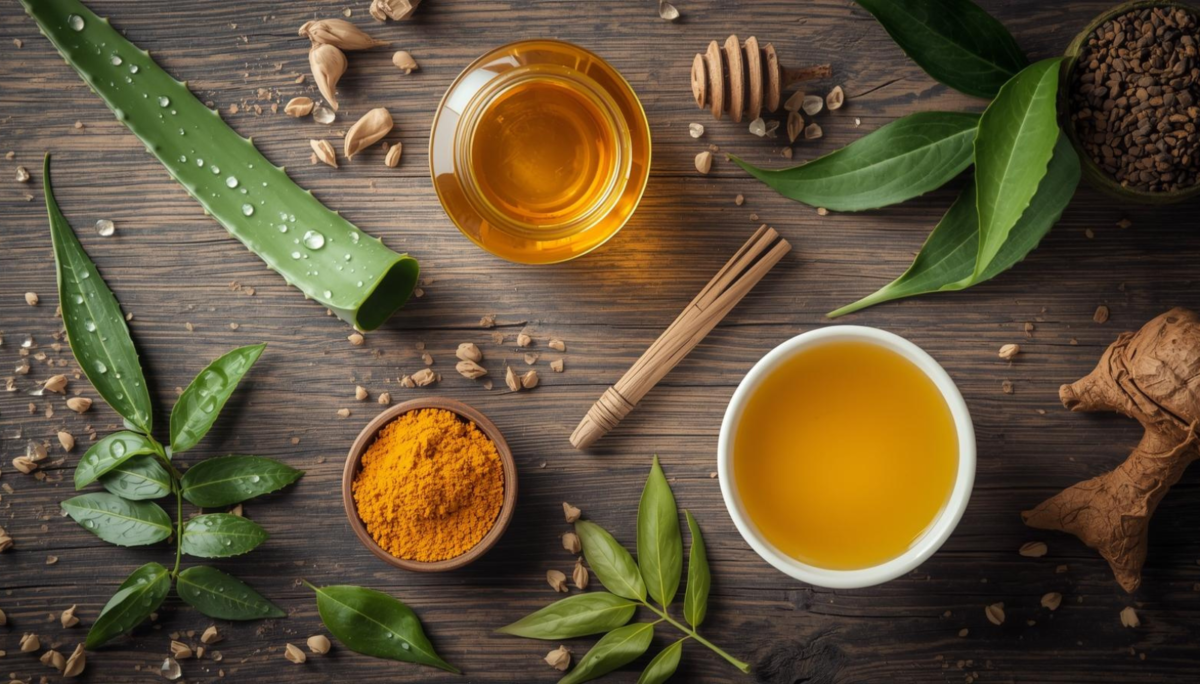
Introduction
Remedies for acne. Acne is one of the most common skin concerns in the world, yet it remains one of the most frustrating. Whether you are a teenager dealing with hormonal breakouts or an adult struggling with persistent acne, the emotional and physical impact can be overwhelming. Many people turn to chemical based treatments that promise fast results, but these products often come with side effects such as dryness, irritation, peeling, and long term skin sensitivity.
The good news is that you don’t always need harsh chemicals to achieve clear skin. Nature provides powerful, gentle and effective solutions that work with your skin rather than against it. In this comprehensive guide, you will learn how to remove acne naturally without chemicals, understand the root causes of acne, discover proven home remedies, and build a skincare routine that supports long term skin health.
This article is designed to be professional, practical, and engaging giving you not just information, but a clear roadmap toward healthier, clearer skin.
Understanding Acne: What Is Really Happening to Your Skin?
Before treating acne, it is essential to understand what causes it.
Remedies for acne. Acne occurs when hair follicles become clogged with oil (sebum), dead skin cells, and bacteria. When these pores become blocked, they can form:
- Whiteheads
- Blackheads
- Pimples
- Cysts
- Nodules
The Four Main Causes of Acne
- Excess oil production
- Clogged pores
- Bacterial growth
- Inflammation
Hormones, stress, diet, genetics, and improper skincare can all contribute to these factors.
When you understand the root cause of your acne, natural treatment becomes more effective and targeted.
Why Choose Natural Remedies Over Chemical Treatments?
Remedies for acne. Chemical treatments such as benzoyl peroxide, retinoids, and strong exfoliating acids can provide results, but they often:
- Disrupt the skin barrier
- Cause dryness and peeling
- Increase sensitivity to sunlight
- Trigger rebound oil production
Natural remedies, when used correctly, aim to:
- Balance oil production
- Reduce inflammation
- Support the skin barrier
- Improve overall skin health
While natural solutions may take slightly longer to show results, they are generally safer for long-term use and promote sustainable skin healing.
Step 1: Build a Gentle Natural Skincare Routine
Remedies for acne. Before applying any home remedy, your foundation must be a proper skincare routine.
1. Gentle Cleansing (Twice Daily)
Wash your face with a mild, natural cleanser. Look for ingredients like:
- Aloe vera
- Honey
- Oat extract
- Chamomile
Avoid harsh soaps that strip your skin’s natural oils. Over cleansing can actually worsen acne.
2. Natural Toning
Use rose water as a gentle toner. It helps balance pH levels and soothe inflammation.
3. Lightweight Moisturizing
Even acne prone skin needs moisture. Skipping moisturizer can increase oil production. Choose natural, non comedogenic options such as:
- Aloe vera gel
- Jojoba oil (in small amounts)
- Light gel based moisturizers
4. Sun Protection
Sun exposure can worsen acne marks and inflammation. Use a mineral based sunscreen daily.
Best Natural Remedies to Remove Acne
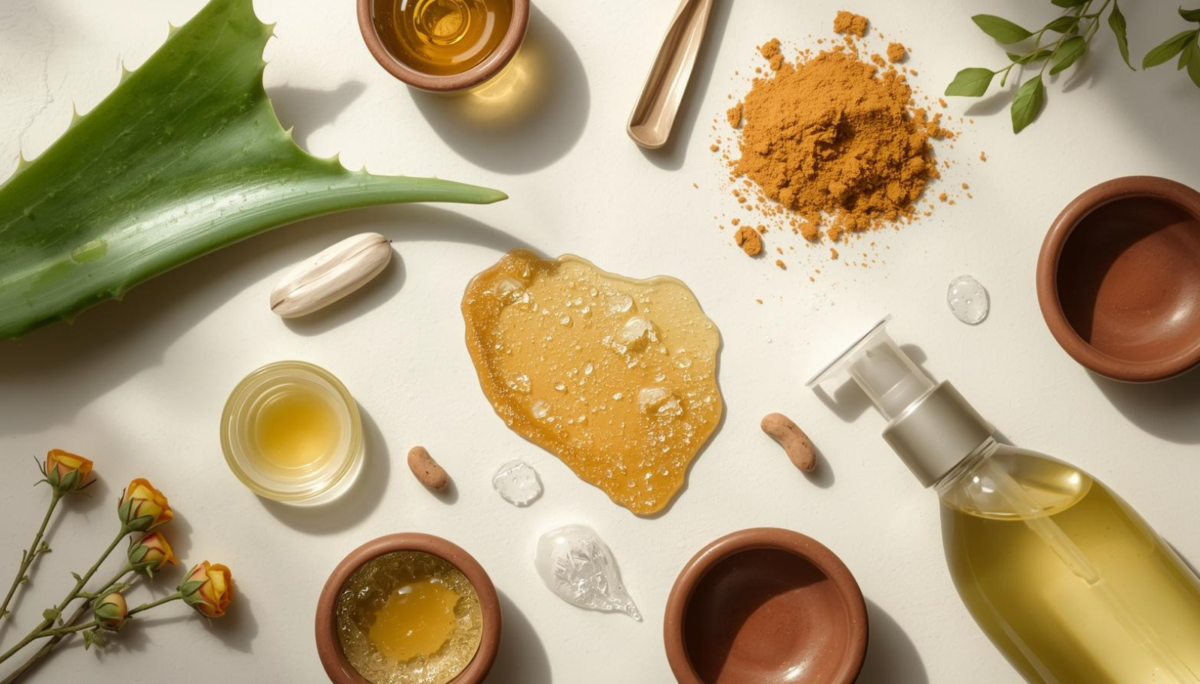
Remedies for acne. Now let’s explore the most effective home remedies that help remove acne naturally.
1. Raw Honey Nature’s Antibacterial Healer
Remedies for acne. Raw honey has natural antibacterial and anti-inflammatory properties. It helps reduce acne causing bacteria and soothes irritated skin.
How to Use:
- Apply a thin layer of raw honey to clean skin.
- Leave for 15–20 minutes.
- Rinse with lukewarm water.
Frequency: 3–4 times a week.
2. Aloe Vera The Skin Soother
Remedies for acne. Aloe vera reduces redness, inflammation, and supports healing. It also helps fade acne scars over time.
How to Use:
- Extract fresh aloe gel.
- Apply directly to affected areas.
- Leave overnight.
Frequency: Daily.
3. Tea Tree Oil (Diluted Only)
Remedies for acne. Tea tree oil has strong antibacterial properties but must always be diluted.
How to Use:
- Mix 1 drop tea tree oil with 9 drops carrier oil.
- Apply to pimples using a cotton swab.
Frequency: Once daily as spot treatment.
4. Green Tea Antioxidant Power
Remedies for acne. Green tea reduces inflammation and controls oil production.
How to Use:
- Brew green tea and let it cool.
- Apply with cotton or spray bottles.
- Leave on skin.
Frequency: Daily.
5. Turmeric Mask
Remedies for acne. Turmeric contains curcumin, which fights bacteria and inflammation.
DIY Mask:
- 1 teaspoon turmeric
- 1 tablespoon yogurt or honey
Apply for 15 minutes and rinse.
Frequency: 2 times weekly.
6. Apple Cider Vinegar (Use Carefully)
Remedies for acne. ACV helps balance skin pH and has antimicrobial properties.
How to Use:
- Mix 1 part ACV with 3 parts water.
- Apply with cotton.
- Rinse after 5 minutes.
Frequency: 2–3 times weekly.
Always perform a patch test.
7. Oatmeal Mask
Remedies for acne. Oatmeal absorbs excess oil and gently exfoliates.
How to Use:
- Mix ground oats with warm water.
- Apply for 15 minutes.
Frequency: Once weekly.
8. Neem Paste
Remedies for acne. Neem has powerful antibacterial properties and is widely used in traditional skincare.
How to Use:
- Grind fresh neem leaves.
- Apply paste to acne areas.
- Leave for 15 minutes.
Frequency: 2 times weekly.
Diet and Acne: What You Eat Matters
Your skin reflects your internal health.
Foods That May Trigger Acne
- Excess sugar
- Processed foods
- Dairy (for some individuals)
- Fried foods
Skin-Friendly Foods
- Leafy greens
- Fruits rich in vitamin C
- Nuts and seeds
- Omega-3 fatty acids
- Plenty of water
A balanced diet supports hormonal balance and reduces inflammation.
Lifestyle Changes That Help Remove Acne Naturally
1. Manage Stress
Stress increases cortisol levels, which can trigger breakouts. Practice meditation, breathing exercises, or light physical activity.
2. Improve Sleep Quality
Poor sleep disrupts hormonal balance. Aim for 7–8 hours of quality sleep.
3. Avoid Touching Your Face
Hands carry bacteria. Frequent touching spreads acne causing microbes.
4. Change Pillowcases Regularly
Dirty pillowcases collect oil and bacteria.
5. Stay Hydrated
Water helps flush toxins and maintain skin elasticity.
Natural Remedies for Acne Scars and Marks
Clearing acne is one step; fading scars is another.
1. Aloe Vera
Supports skin repair.
2. Rosehip Oil
Rich in vitamins A and C.
3. Lemon and Honey (Night Use Only)
Helps lighten marks gradually.
Common Mistakes That Make Acne Worse
- Overwashing the face
- Popping pimples
- Using too many remedies at once
- Skipping moisturizer
- Ignoring sunscreen
Consistency and patience are key.
How Long Does Natural Acne Treatment Take?
Natural remedies usually show improvement within 4–6 weeks when used consistently. Severe acne may take longer.
Remember, sustainable healing takes time.
When to Consult a Dermatologist
Seek professional advice if:
- Acne is severe or painful
- You develop cystic acne
- Acne leaves deep scars
- Natural remedies show no improvement after several months
Natural care works best for mild to moderate acne.
Final Thoughts
Removing acne naturally without chemicals is not about quick fixes. It is about understanding your skin, respecting its natural balance, and supporting it with gentle, nourishing care.
Clear skin is not achieved overnight. It requires patience, consistency, and a holistic approach that includes skincare, diet, stress management, and healthy habits.
When you choose natural methods, you are not only treating acne, you are building long-term skin resilience.
Commit to the process, trust your skin’s ability to heal, and give it the care it deserves. With time and consistency, healthy, radiant skin is absolutely possible naturally.
1. Can acne be permanently cured naturally?
Acne can be controlled naturally, especially if it is linked to lifestyle and mild hormonal imbalance. However, some cases require medical treatment.
2. Is it safe to use natural remedies daily?
Most gentle remedies like aloe vera and honey are safe daily. Strong ingredients like tea tree oil and ACV should be limited.
3. Can diet alone clear acne?
Diet plays a major role, but skincare and lifestyle habits are equally important.
4. Are natural remedies suitable for sensitive skin?
Yes, but always perform a patch test first.
5. Does drinking more water remove acne?
Water supports overall skin health but is not a standalone cure.
6. Should I stop using all chemical products immediately?
If you are switching to natural care, transition gradually to avoid shocking your skin.
7. Why is my acne getting worse before improving?
Sometimes skin purges as it adjusts to new treatments. If irritation continues, reduce frequency