
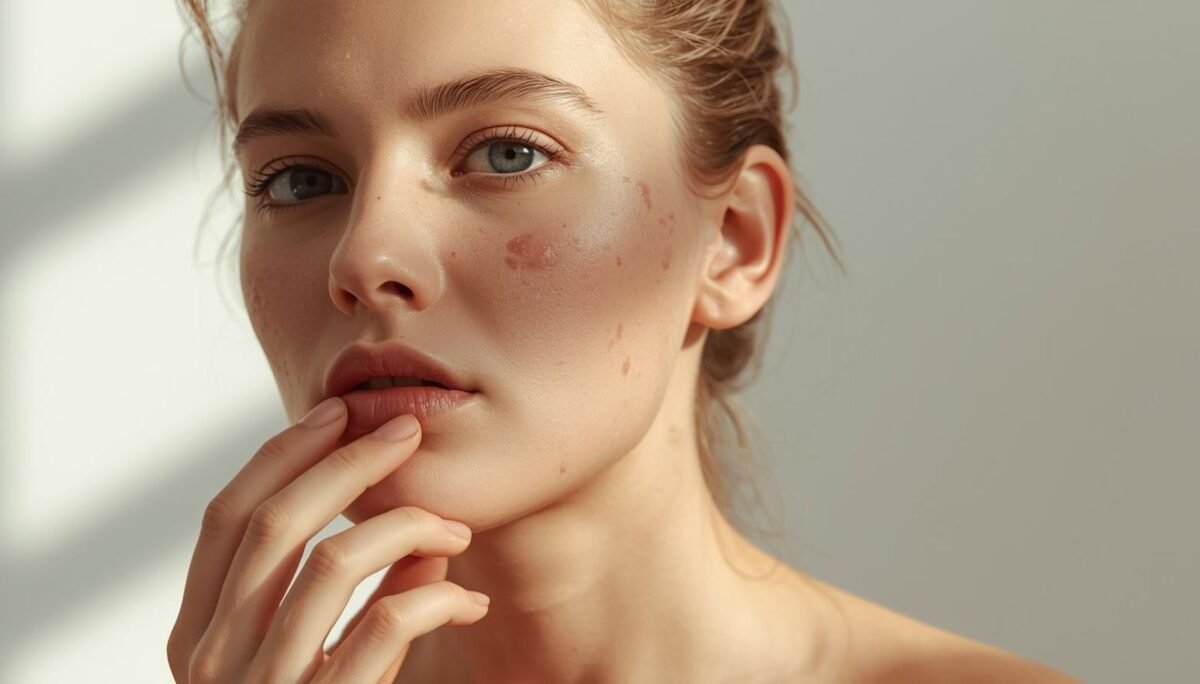
Hormonal acne is one of the most frustrating skin problems affecting teenagers and adults alike. Unlike regular breakouts, hormonal acne is closely linked to fluctuations in hormone levels inside the body. These breakouts can appear suddenly, become painful, and often return again and again despite using different skincare products.
If you struggle with stubborn pimples around the chin, jawline or cheeks chances are you are dealing with hormonal acne.
In this detailed guide, you will learn everything about hormonal acne, what causes it, how to recognize it, the best treatments, natural remedies and expert skincare tips to keep your skin clear and healthy.
What Is Hormonal Acne?
Hormonal acne is a type of acne that develops due to hormonal fluctuations in the body. These changes increase the production of oil (sebum) in the skin, which clogs pores and leads to breakouts.
Hormonal acne is most common during:
- Puberty
- Menstrual cycles
- Pregnancy
- Menopause
- Stress
- Hormonal disorders like PCOS
While teenagers commonly experience hormonal acne, many adults especially women in their 20s, 30s and even 40s continue to struggle with it.
Hormonal acne is typically deeper, more inflamed and more persistent than normal acne.
Common Symptoms of Hormonal Acne
Hormonal acne has specific characteristics that make it easier to identify.
1. Breakouts on the Lower Face
Hormonal acne often appears on:
- Chin
- Jawline
- Lower cheeks
- Neck
2. Painful Cystic Pimples
The pimples are often:
- Large
- Deep
- Red
- Painful
These are known as cystic acne, which forms deep under the skin.
3. Recurring Breakouts
Hormonal acne tends to return repeatedly, especially during certain times like:
- Before periods
- During stress
- Hormonal changes
4. Oily Skin
Hormonal imbalances increase oil production, making the skin greasy and more prone to clogged pores.
What Causes Hormonal Acne?
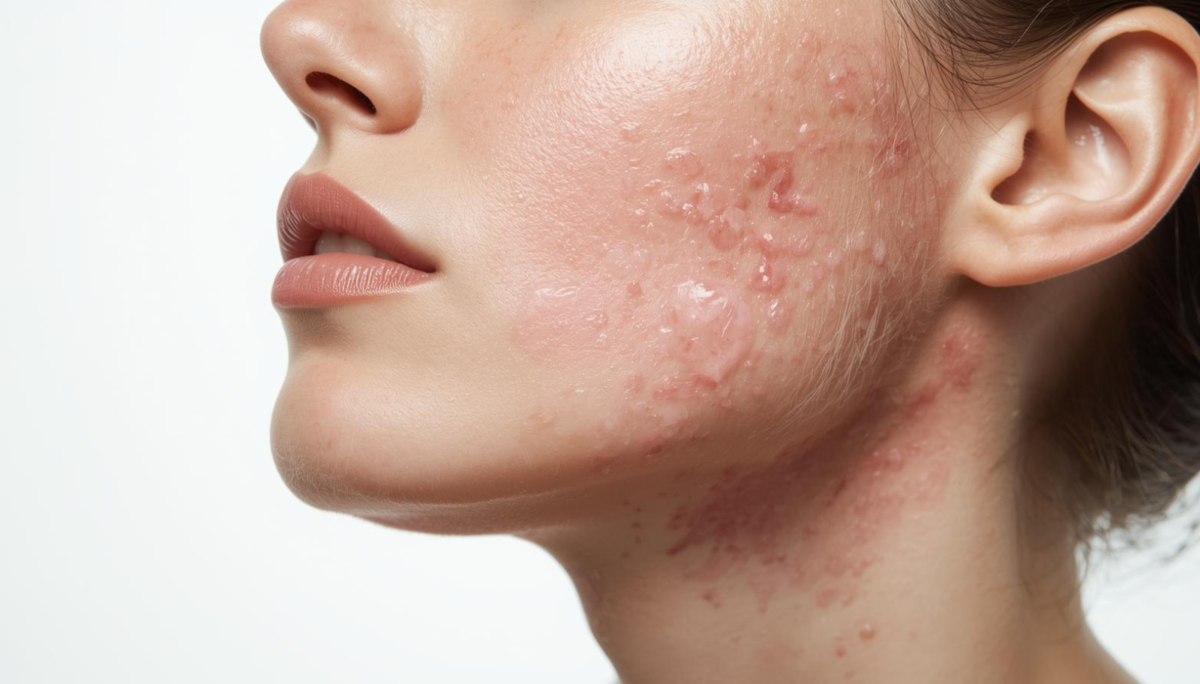
Hormonal acne occurs when hormones stimulate oil glands in the skin. The excess oil mixes with dead skin cells and bacteria, clogging pores and causing pimples.
Below are the main causes.
1. Androgen Hormones
Androgens are hormones that increase oil production in the skin.
When androgen levels rise, sebaceous glands become overactive, producing excess oil that leads to acne.
This is one of the primary triggers of hormonal acne.
2. Menstrual Cycle
Many women experience acne breakouts about 7–10 days before their period.
During this time:
- Estrogen decreases
- Progesterone increases
- Oil production rises
This creates the perfect environment for acne.
3. Polycystic Ovary Syndrome (PCOS)
PCOS is a hormonal disorder that can cause severe hormonal acne.
Symptoms of PCOS include:
- Irregular periods
- Excess facial hair
- Weight gain
- Severe acne
Women with PCOS often experience persistent cystic acne around the jawline.
4. Stress
Stress increases the production of cortisol, the stress hormone.
High cortisol levels can:
- Increase oil production
- Trigger inflammation
- Cause acne flare-ups
5. Poor Diet
Certain foods may worsen hormonal acne, including:
- Sugary foods
- Processed foods
- Dairy products
- High glycemic foods
These foods can increase insulin levels, which stimulates oil production.
6. Pregnancy
During pregnancy, hormones fluctuate dramatically.
Some women experience:
- Clearer skin
- Severe acne breakouts
It varies from person to person.
7. Menopause
Hormonal changes during menopause can also trigger adult acne.
As estrogen levels decline, androgen hormones become more dominant, leading to oily skin and breakouts.
Who Is Most Likely to Get Hormonal Acne?
Hormonal acne can affect anyone, but some people are more prone to it.
You may be at higher risk if you:
- Are a teenager going through puberty
- Are a woman with irregular periods
- Have PCOS
- Experience monthly acne breakouts
- Have a family history of acne
- Experience chronic stress
Best Treatments for Hormonal Acne
Treating hormonal acne requires addressing both skin care and internal hormonal balance.
Below are the most effective treatment options.
1. Salicylic Acid
Salicylic acid helps unclog pores and remove excess oil.
Benefits include:
- Reduces inflammation
- Prevents clogged pores
- Removes dead skin cells
It is commonly found in cleansers, toners, and spot treatments.
2. Benzoyl Peroxide
Benzoyl peroxide is a powerful acne-fighting ingredient that kills acne-causing bacteria.
It helps:
- Reduce redness
- Dry out pimples
- Prevent new breakouts
3. Retinoids
Retinoids are derived from Vitamin A and help regulate skin cell turnover.
They:
- Prevent clogged pores
- Reduce acne scars
- Improve skin texture
Popular retinoids include retinol and adapalene.
4. Birth Control Pills
For women, birth control pills can help regulate hormone levels.
They reduce androgen hormones, which decreases oil production and acne.
However, they should only be used under medical supervision.
5. Anti-Androgen Medications
Doctors sometimes prescribe medications like spironolactone to block androgen hormones.
This treatment is often used for severe hormonal acne.
Natural Remedies for Hormonal Acne
Many people prefer natural solutions to support their skincare routine.
These remedies may help reduce inflammation and balance the skin.
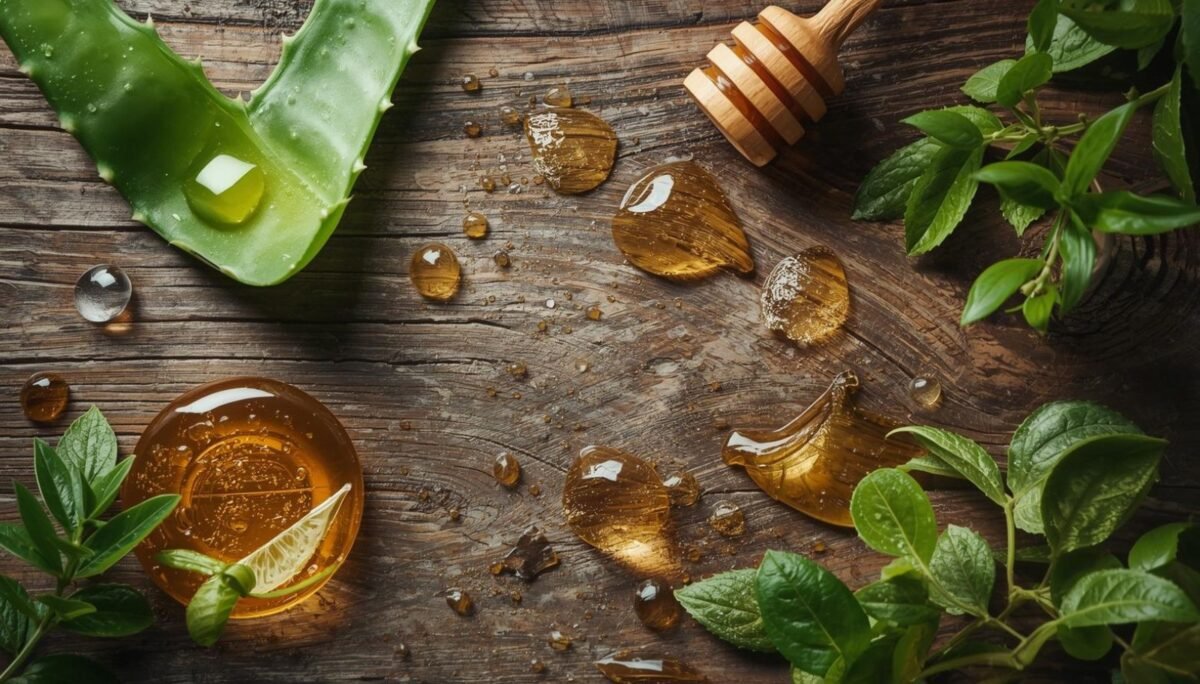
1. Tea Tree Oil
Tea tree oil has natural antibacterial properties.
It helps:
- Kill acne-causing bacteria
- Reduce inflammation
- Dry out pimples
Always dilute it before applying to the skin.
2. Aloe Vera
Aloe vera is known for its soothing and healing properties.
Benefits include:
- Reduces redness
- Hydrates skin
- Helps heal acne scars
Apply fresh aloe vera gel directly to the skin.
3. Green Tea
Green tea contains antioxidants that help reduce oil production and inflammation.
You can:
- Drink green tea daily
- Use green tea as a toner
4. Apple Cider Vinegar
Apple cider vinegar helps balance skin pH and kill bacteria.
Mix one part vinegar with three parts water and apply with cotton.
5. Honey and Cinnamon Mask
Honey and cinnamon both have antibacterial properties.
This mask can help:
- Reduce acne
- Calm inflammation
- Improve skin healing
Best Skincare Routine for Hormonal Acne
A consistent skincare routine is essential for controlling hormonal acne.
Step 1: Gentle Cleanser
Wash your face twice daily with a gentle cleanser.
Avoid harsh scrubs that irritate the skin.
Step 2: Exfoliation
Use chemical exfoliants like salicylic acid 2–3 times per week to unclog pores.
Step 3: Treatment Products
Apply acne treatment ingredients such as:
- Retinoids
- Benzoyl peroxide
- Niacinamide
Step 4: Moisturizer
Even acne-prone skin needs hydration.
Choose an oil-free, non-comedogenic moisturizer.
Step 5: Sunscreen
Sun exposure can worsen acne scars and pigmentation.
Always use SPF 30 or higher.
Diet Tips to Reduce Hormonal Acne
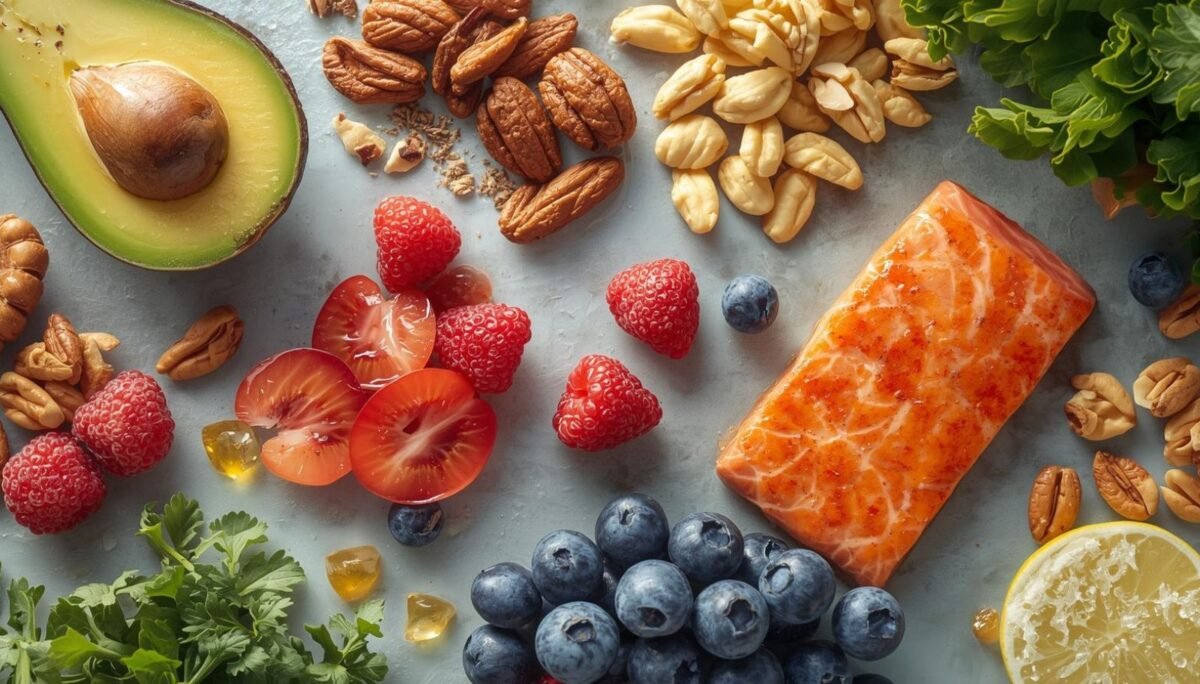
Your diet plays a major role in skin health.
Here are some foods that support clear skin.
Eat More:
- Leafy greens
- Berries
- Nuts
- Whole grains
- Fatty fish
- Avocados
Avoid Excess:
- Sugar
- White bread
- Fast food
- Dairy
- Processed snacks
Lifestyle Changes That Help Hormonal Acne
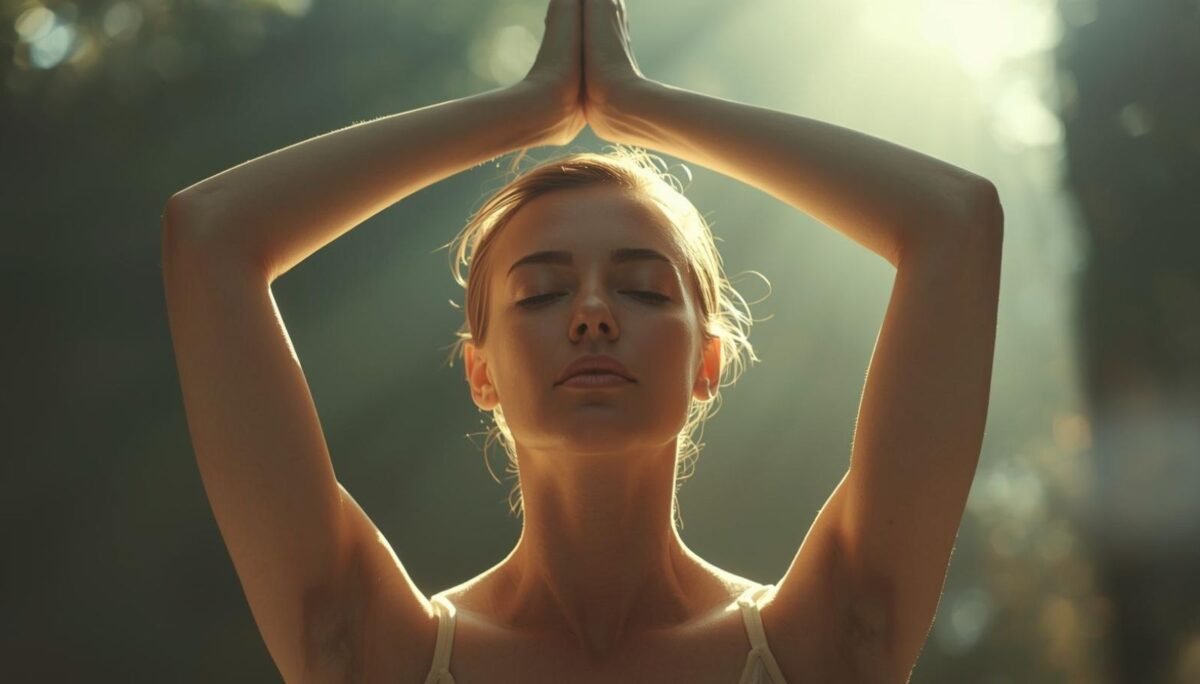
Simple lifestyle habits can significantly improve your skin.
1. Reduce Stress
Practice stress-relief techniques like:
- Yoga
- Meditation
- Exercise
2. Get Enough Sleep
Sleep helps regulate hormones and repair skin cells.
Aim for 7–8 hours of sleep daily.
3. Stay Hydrated
Drink plenty of water to flush toxins and keep skin hydrated.
4. Avoid Touching Your Face
Touching your face transfers bacteria and worsens acne.
When to See a Dermatologist
If your acne is severe or does not improve with home remedies, consult a dermatologist.
Seek professional help if you have:
- Painful cystic acne
- Acne scars
- Persistent breakouts
- Signs of hormonal disorders
A dermatologist can recommend advanced treatments tailored to your skin.
Can Hormonal Acne Be Prevented?
While hormonal acne cannot always be completely prevented, you can reduce breakouts by:
- Maintaining a healthy skincare routine
- Managing stress
- Eating a balanced diet
- Avoiding pore-clogging products
- Staying hydrated
Consistency is the key to long-term skin improvement.
Final Thoughts
Hormonal acne can be frustrating, painful, and difficult to manage. However, understanding its causes and adopting the right skincare, lifestyle, and treatment strategies can significantly improve your skin.
From using effective skincare ingredients to maintaining a balanced diet and managing stress, there are many ways to control hormonal acne naturally and medically.
Remember that clear skin takes time and patience. With the right approach, you can reduce breakouts, heal your skin, and regain confidence in your appearance.