
Introduction
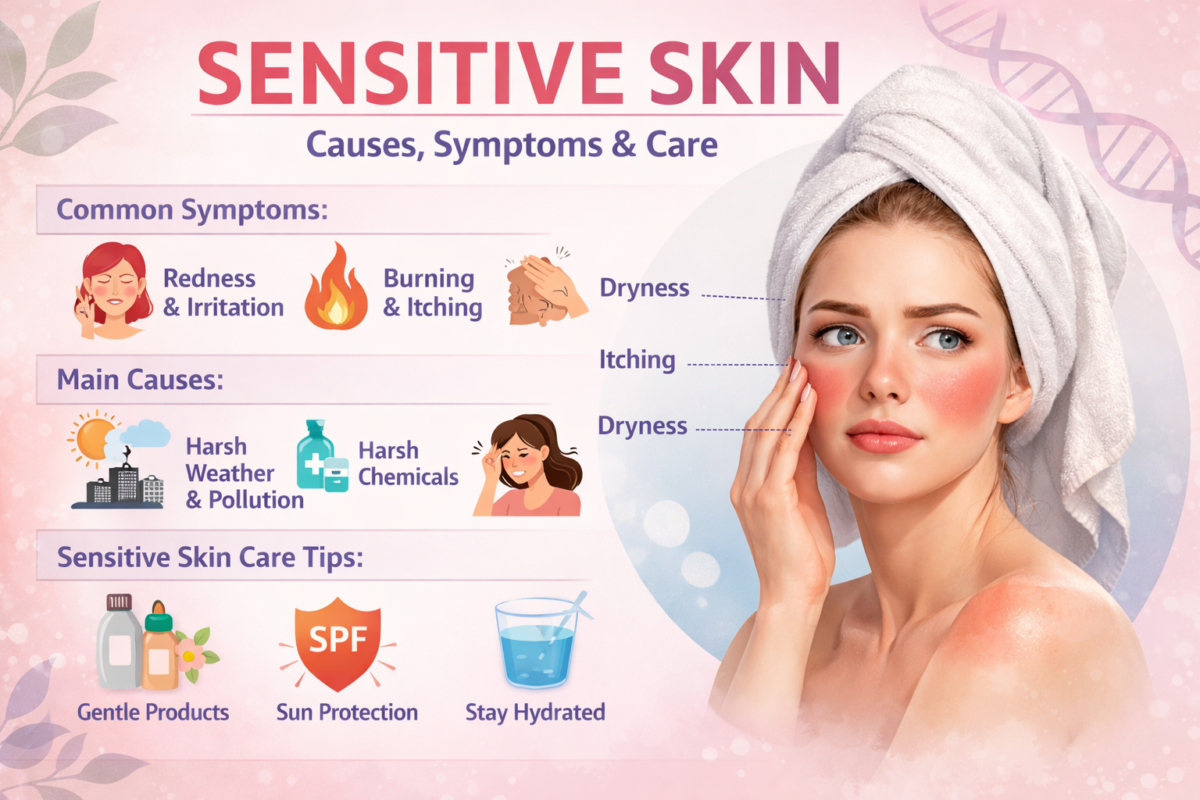
Sensitive skin is a common condition that affects millions of people worldwide. If you have sensitive skin, you may experience redness, irritation, itching, or dryness, often triggered by environmental factors, skincare products, or even stress. In this article, we will explore everything about Hypersensitive skin from its causes and symptoms to effective care routines and treatment options.
What is Sensitive Skin?
Skin prone to redness is a condition where the skin reacts more intensely to external factors than normal skin. People with Delicate skin often experience discomfort, such as burning, itching, redness, or dryness. It is not a medical disease but a skin type that requires special care and attention.
Delicate skin can affect any part of the body, but it is most commonly found on the face, particularly the cheeks, nose, and forehead. Understanding your skin type and identifying triggers are essential to managing Skin prone to redness effectively.
Causes of Sensitive Skin
Hypersensitive skin can arise from multiple factors, including:
1. Environmental Factors
Exposure to harsh weather conditions such as extreme cold, heat, or wind can cause Delicate skin reactions. Pollution and UV rays can also worsen the skin’s sensitivity.
2. Skincare Products
Using products with harsh chemicals, fragrances, or alcohol can trigger irritation in sensitive skin. Over-exfoliation or using products not suited for your skin type may also lead to sensitivity.
3. Genetics
Sensitive skin often runs in families. If your parents have Tender skin, you may be more prone to it.
4. Medical Conditions
Certain conditions, such as eczema, rosacea, or psoriasis, can make skin more sensitive.Skin prone to redness may also be a symptom of underlying health issues.
5. Lifestyle Factors
Stress, poor diet, lack of sleep, and dehydration can exacerbate sensitive skin issues. Smoking and excessive alcohol consumption can also negatively affect the skin barrier.
Skincare Routine for Sensitive Skin
A proper skincare routine is crucial for sensitive skin. Cleansing should be done with mild, fragrance-free cleansers. Moisturizers should contain soothing ingredients such as aloe vera, chamomile, or ceramides. Sunscreen is essential, as Tender skin is prone to UV damage. Avoid products with harsh chemicals or over-exfoliation. Gentle makeup and patch testing new products prevent flare-ups.
Symptoms of Sensitive Skin
People with Delicate skin often experience a range of uncomfortable and noticeable symptoms. Common signs include redness, flushing, and visible irritation on the face or other affected areas. Many individuals report a burning or stinging sensation, especially after using certain skincare products or exposure to harsh environmental conditions. Itching and dryness are also frequent complaints, sometimes accompanied by flaky patches or tightness of the skin. In more severe cases, small rashes or visible capillaries may appear, indicating an over active skin barrier. These symptoms can vary in intensity depending on the triggers, making it important for people withSkin prone to redness to identify their personal irritants and adjust their skincare routine accordingly.
Delicate skin shows a variety of symptoms, including:
- Redness and inflammation
- Burning or stinging sensation
- Itching or rash
- Dry patches or flakiness
- Visible capillaries (especially on the face)
- Reaction to skincare products
Recognizing these symptoms early can help you adjust your skincare routine and minimize discomfort.
Best Skincare Routine for Sensitive Skin
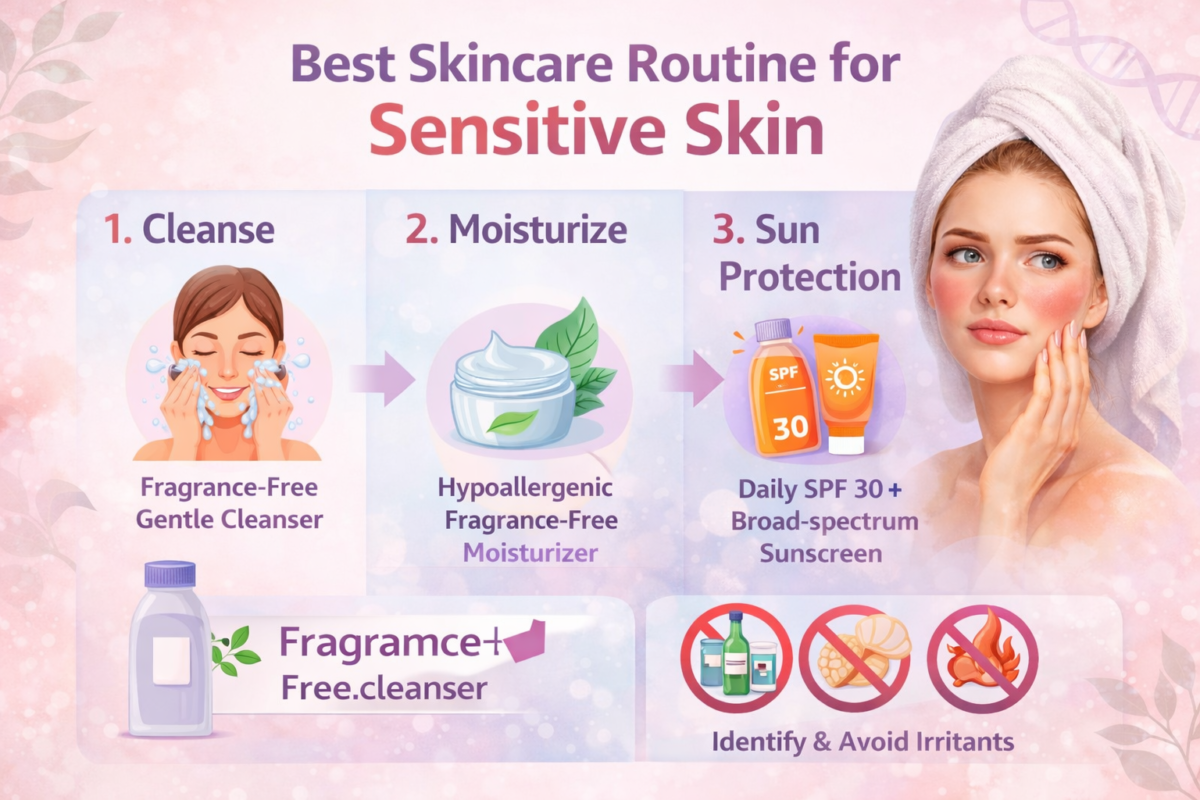
A gentle and consistent skincare routine is essential for Skin sensitivity. Start with a mild, fragrance-free cleanser to remove impurities without stripping natural oils. Follow with a hypoallergenic moisturizer to hydrate and protect the skin barrier. Daily sun protection using a broad-spectrum SPF 30 or higher is crucial to prevent irritation from UV rays. Avoid harsh chemicals, alcohol, and heavily fragranced products, and always patch-test new skincare items. Incorporating these steps helps keep sensitive skin calm, nourished, and resilient.Caring for sensitive skin requires a gentle, consistent skincare routine. Here are some steps to follow:
1. Cleansing
Use a mild, fragrance-free cleanser suitable for Tender skin. Avoid harsh soaps and exfoliants that can strip natural oils.
2. Moisturizing
Moisturizing is crucial for Skin sensitivity. Choose a moisturizer that is hypoallergenic, fragrance-free, and contains soothing ingredients like aloevera or ceramides.
3. Sun Protection
Tender skin is more prone to sun damage. Use a broad-spectrum sunscreen with SPF 30 or higher every day, even on cloudy days.
4. Avoid Triggers
Identify triggers that worsen your sensitive skin, such as certain skincare ingredients, foods, or environmental factors. Avoiding these triggers can prevent flare-ups.
5. Gentle Makeup
Choose makeup products designed for Tender skin. Avoid products with fragrance, alcohol, or harsh pigments that may irritate your skin.
Ingredients to Look for in Skin prone to redness Products
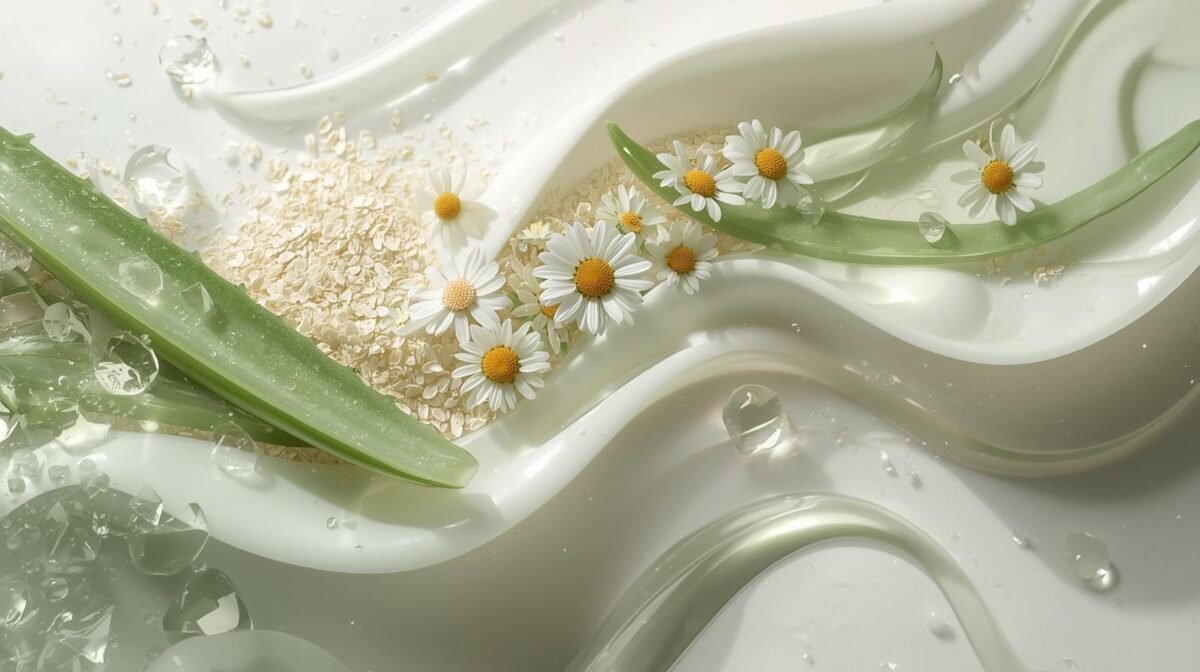
When shopping for skincare products for Tender skin look for these soothing and safe ingredients:
- Aloe Vera – Calms irritation and redness.
- Chamomile Extract – Reduces inflammation.
- Oat Extract – Soothes dryness and itching.
- Ceramides – Strengthen the skin barrier.
- Hyaluronic Acid – Provides hydration without irritation.
Avoid products containing alcohol, fragrances, sulfates, and harsh preservatives, as they can worsen Skin prone to redness.
Common Mistakes People Make with Sensitive Skin
Skin sensitivity requires special care, and mistakes can exacerbate the problem. Common mistakes include:
- Over-washing the skin, which strips natural oils.
- Using too many active ingredients like retinol or acids at once.
- Ignoring sun protection.
- Applying products that contain irritants like fragrance or alcohol.
- Skipping patch tests for new skincare products.
By avoiding these mistakes, you can maintain healthy, comfortable Skin prone to redness.
Lifestyle Tips for Managing Sensitive Skin
Managing sensitive skin goes beyond skincare products—it requires healthy lifestyle habits. Staying hydrated, eating a balanced diet rich in antioxidants and omega-3s, and getting adequate sleep all support skin health. Stress can trigger flare-ups, so practicing relaxation techniques like meditation or yoga is helpful. Avoid hot showers, excessive alcohol, and smoking, as these can worsen sensitivity. By combining gentle skincare with mindful lifestyle choices, Tender skin can remain calm, nourished, and resilient.
- Stay Hydrated: Drink plenty of water to keep skin hydrated.
- Balanced Diet: Eat foods rich in antioxidants and omega-3 fatty acids.
- Stress Management: Practice meditation, yoga, or deep breathing to reduce stress-induced skin reactions.
- Proper Sleep: Ensure 7-9 hours of sleep for skin regeneration.
- Avoid Hot Showers: Use lukewarm water, as hot water can aggravate sensitive skin.
Sensitive Skin and Makeup
Makeup can be tricky for Irritated skin, but it’s possible to enjoy cosmetics safely:
- Use mineral makeup, which is usually free from irritants.
- Remove makeup gently using a mild cleanser.
- Avoid heavy or oily formulas that can clog pores and cause reactions.
- Perform patch tests before trying new products.
Treatments for Sensitive Skin
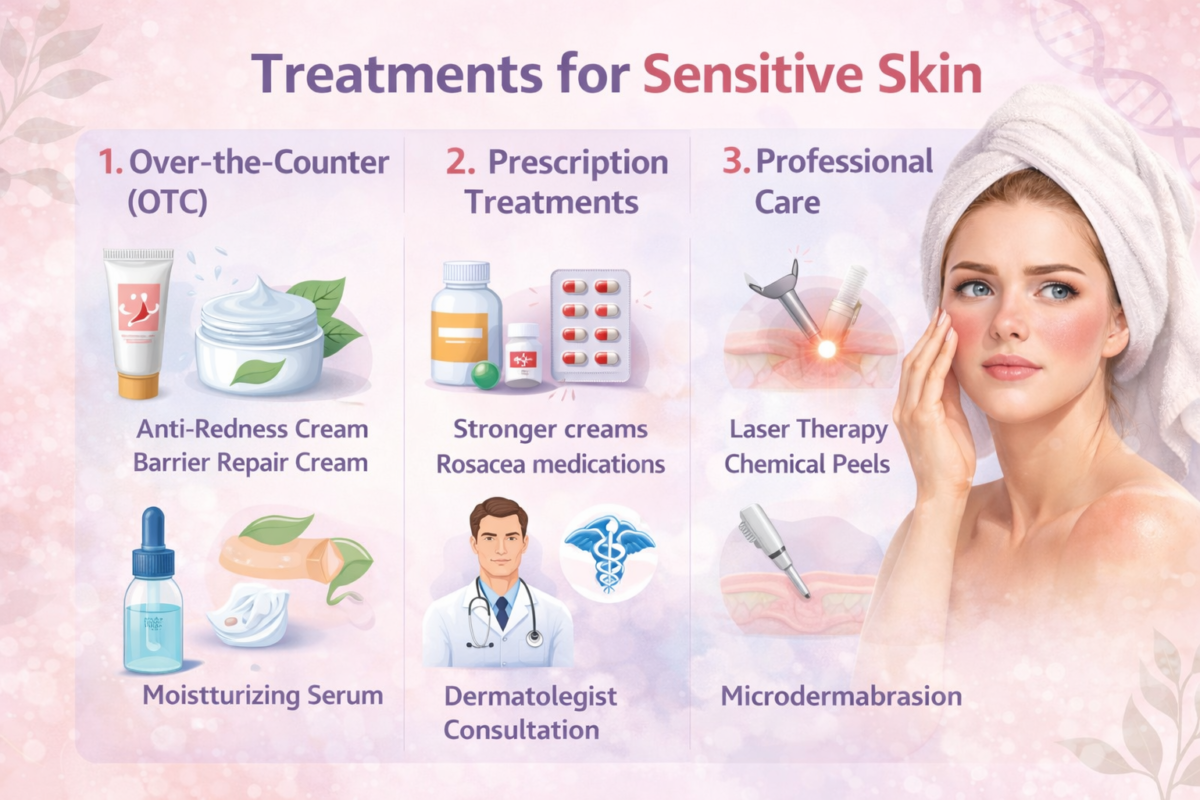
If your Tender skin persists, consider these treatment options:
1. Over-the-Counter (OTC) Treatments
Look for anti-redness creams, barrier repair creams, or hydrating serums designed for Irritated skin.
2. Prescription Treatments
For severe cases or underlying conditions like rosacea or eczema, consult a dermatologist. Prescription creams or medications may be necessary.
3. Professional Care
Procedures like laser therapy, chemical peels, or microdermabrasion should be done cautiously and under professional supervision for Irritated skin.
How to Test Products for Sensitive Skin
Always patch test new products to avoid reactions:
- Apply a small amount to your inner wrist or behind the ear.
- Wait 24–48 hours to observe any reaction.
- If no redness, itching, or irritation occurs, the product is likely safe for sensitive skin.
Sensitive Skin in Different Seasons
- Winter: Cold, dry air can strip moisture from Irritated skin. Use rich moisturizers and avoid hot showers.
- Summer: Sun exposure can trigger redness and irritation. Use sunscreen and lightweight moisturizers.
- Spring & Fall: Pollen and environmental allergens may worsen Irritated skin. Cleanse thoroughly and consider antihistamines if needed.
Sensitive Skin Myths
- Myth 1: Tender skin doesn’t need moisturizer.
Moisturization is essential to protect the skin barrier. - Myth 2:Irritated skin cannot tolerate any active ingredients.
Many activities can be used in lower concentrations and slowly introduced. - Myth 3: Tender skin is caused by poor skincare.
Genetics, environment, and medical conditions play major roles.
FAQs About Sensitive Skin
Q1: Can sensitive skin become less sensitive over time?
Yes, with proper care, gentle skincare, and avoidance of triggers, sensitive skin can become more resilient.
Q2: Is sensitive skin the same as dry skin?
Not necessarily. Sensitive skin may be dry, oily, or normal. Sensitivity is about how reactive the skin is, not the oil level.
Q3: Are natural products always safe for sensitive skin?
No. Even natural products like essential oils can irritate Irritated skin. Always patch tests first.
Q4: Can diet affect sensitive skin?
Yes. Certain foods, like spicy foods or allergens, can trigger skin reactions in sensitive individuals.
Q5: Can I use retinol on sensitive skin?
Retinol can be used, but start with a low concentration and use it every few nights to build tolerance.
Conclusion
Irritated skin requires careful attention and a personalized skincare approach. By identifying triggers, using gentle products, and maintaining a healthy lifestyle, you can manage sensitive skin effectively. Remember, the key is patience and consistency. With the right care, sensitive skin can be calm, hydrated, and healthy.In conclusion, Irritated skin requires gentle care, attention to triggers, and a consistent skincare routine. By choosing the right products, protecting your skin from the sun, and maintaining a healthy lifestyle, you can keep Hypersensitive skin calm, hydrated, and healthy. With patience and proper care, managing Hypersensitive skin becomes easier, helping you feel confident in your skin every day.